Amy Beach, a pioneer
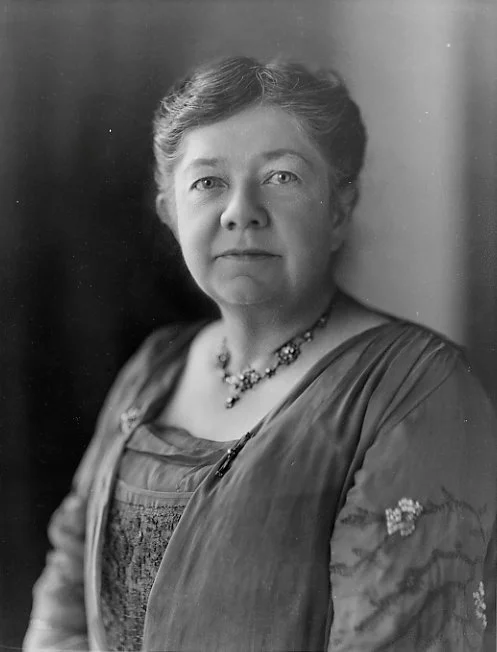
Amy Beach was born in 1867 in New Hampshire and grew up in Boston. She was a true child prodigy, performing as a pianist from a very young age and astonishing audiences with her musical memory. Although she received solid training as a performer, she did not follow the traditional European path of composition studies that many male composers of her generation pursued. Instead, she educated herself by studying the scores of Bach, Beethoven and Brahms, analysing them carefully and teaching herself orchestration from books.
In 1896, her Gaelic Symphony was premiered by the Boston Symphony Orchestra, making her the first American woman to have a symphony performed by a major orchestra. It was a remarkable achievement at a time when large-scale orchestral writing was still largely considered a male domain. She had already been a celebrated pianist in Boston before she was recognised as a composer, but writing on that scale was another step entirely.
While recording Extase, I kept thinking about the courage it must have taken to write large orchestral works as a woman in the late nineteenth century, and how lonely that path must have felt. What moves me even more is that she was largely self-taught in composition.
That is very different from my own path. I grew up surrounded by music and guidance. I am not sure I would have found my way alone!
But, what if life gives us more than one beginning?
After her husband’s death in 1910, Amy Beach began touring Europe and built an international career. For many years after her marriage she had limited her public life, and this period marked a real return. Her music travelled further than it had before, and so did she.
During her lifetime she was respected and widely performed, yet in the decades that followed her music was gradually overshadowed. Only in recent years has her work begun to be rediscovered and appreciated again as an important part of late Romantic American music.
There is something very touching to me in that second beginning, in the idea that life does not have only one chapter but several, and that we are allowed to grow, to shift, to step into a wider space than the one we first knew.
I feel myself at the beginning of a new chapter in my own life and reading about her reminds me that identity is never fixed. It evolves, it deepens, and sometimes recognition comes later than we expect.
What if a piece of music could transport you to feeling you’re at the edge of the sea, staring at the stars?

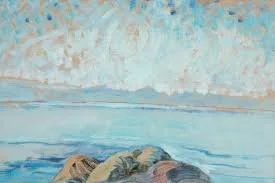
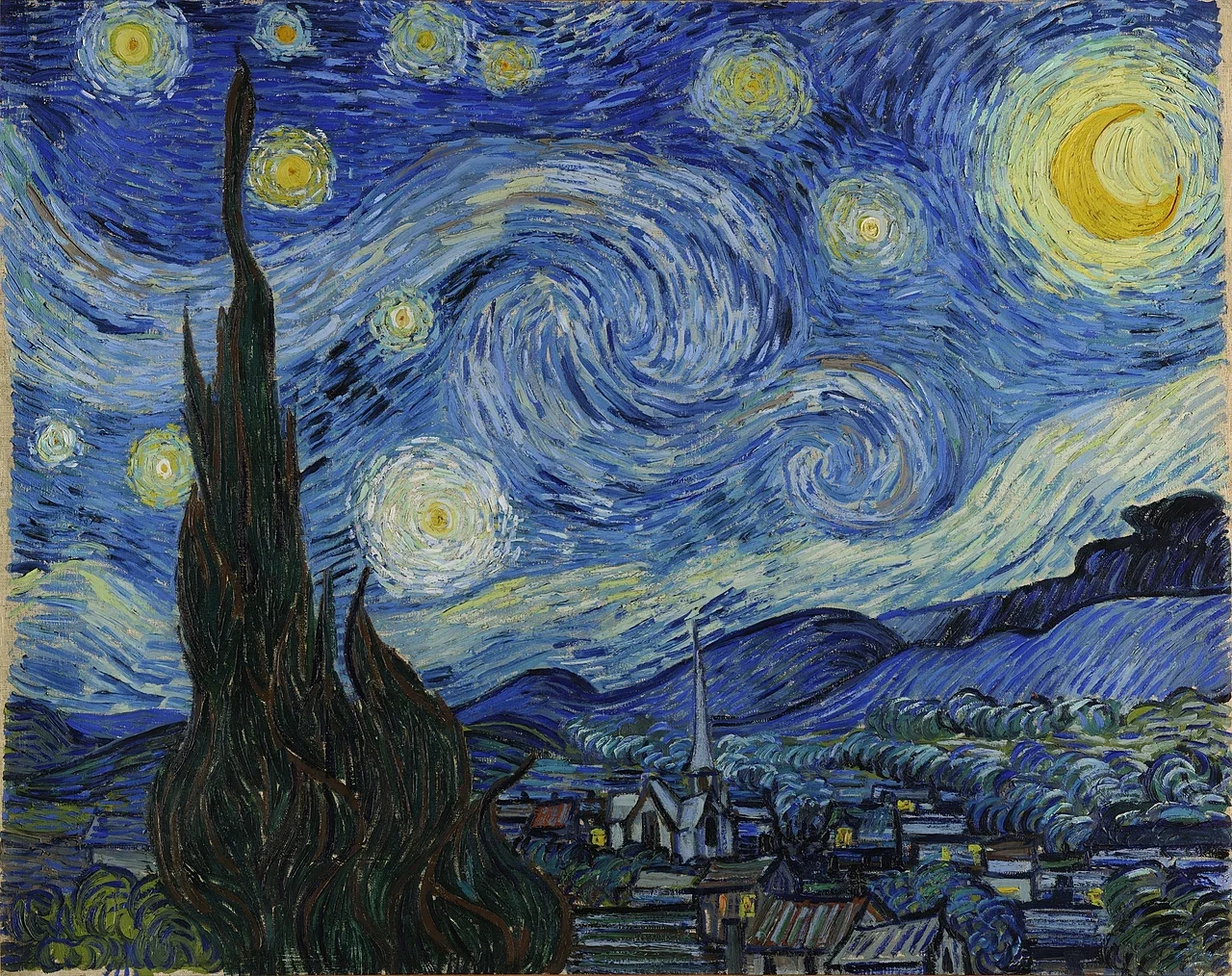
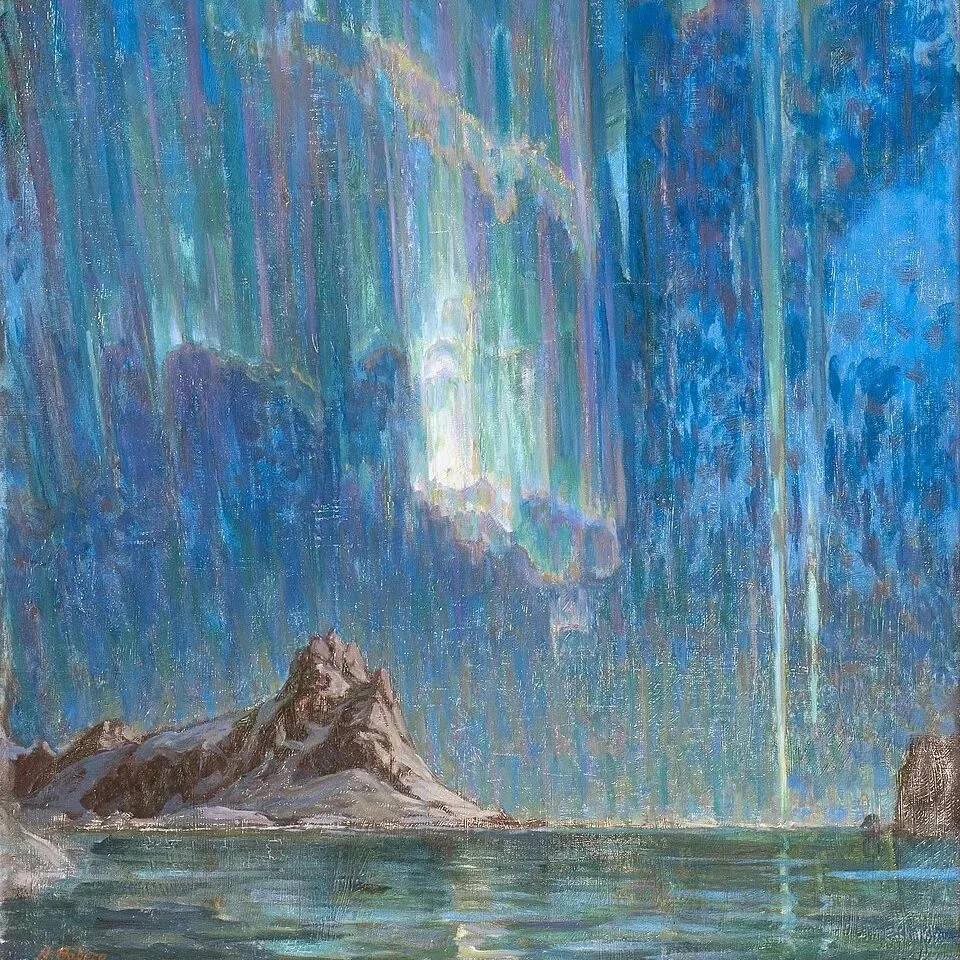
Painting 1: Caspar David Friedrich, “Monk by the sea”.
Painting 2: Emily Carr, “Seascape”.
Painting 3: Vincent Van Gogh, “Starry Night”.
Painting 4: Anna Boberg, “Northern Lights”.
Her song “Extase” was published in 1893 as part of her Op. 21. She was not yet thirty when she wrote it.
What I find beautiful is that she chose to write it for voice and orchestra. At a time when women were often reduced to staying at home to care for their families, this choice feels almost like a widening of the horizon.
She set Victor Hugo’s poem about a solitary figure standing by the sea under a sky full of stars. There is no dramatic action. Just a human being facing immensity. The waves, the night, the silence. And slowly everything feels alive.
What moves me in this piece, and in this poem, is the way it creates space rather than explaining anything.
In my upcoming album Invocation, that feeling of space is a thread running through the whole album. I wanted each piece to feel like a moment of intimacy, where we stand before something greater than us. Not only in a theatrical way, but in a quiet, almost suspended way. A moment where we let our souls speak.
That quiet immensity is what stays with me most of the time, whether I am in nature or after seeing a great film or reading a book. It is that feeling of something that connects us all, and at the same time brings us back to ourselves.
For me, including Extase in Invocation is both a musical choice and a gesture of gratitude. It is a way of letting her voice be heard again, not as a historical curiosity, but as a living presence.
I hope you enjoyed this little portrait of a great female composer!